Behind the Bonus Engine: Aligning No-Stake Spins with Fresh Mobile Reel Innovations Across Premier Gaming Sites
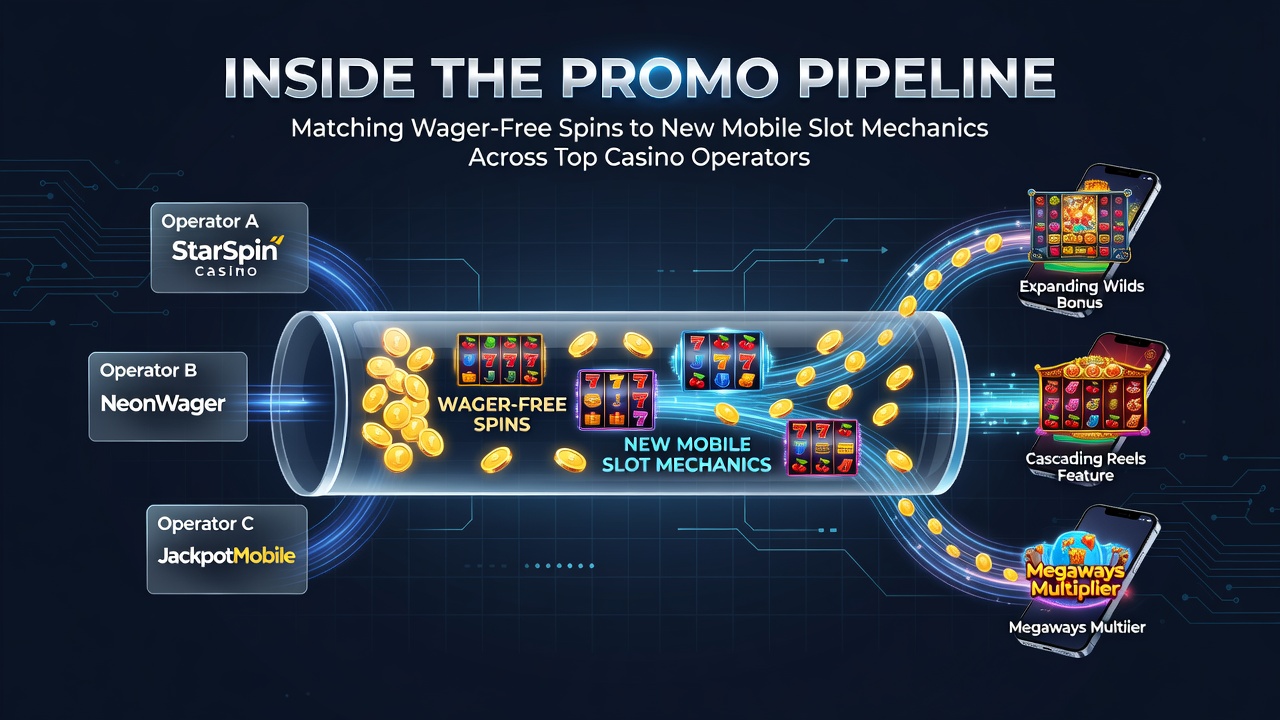
Operators have refined their approach to pairing wager-free spins with emerging mobile slot features, creating targeted promotions that highlight specific mechanics such as cluster pays, cascading reels, and multiplier ladders. These efforts focus on matching bonus structures to the technical demands of new titles released across major platforms in 2026.
Core Matching Strategies in Current Promotions
Promotional teams analyze reel volatility and feature frequency before assigning spin values, which allows wager-free offers to align with games that deliver frequent small wins or rarer high-multiplier events. Data from industry tracking services shows that titles with built-in bonus buy options receive higher volumes of no-stake spins because the mechanic supports direct entry into feature rounds without additional deposits.
Stake limits introduced in various jurisdictions have prompted operators to adjust spin quantities rather than alter game selection, maintaining promotional reach while complying with regulatory caps. Observers note that this adjustment appears most consistently in mobile-first releases where portrait mode interfaces support quicker spin cycles and real-time feature triggers.
Regional Developments Through Mid-2026
By June 2026 several North American and European operators had expanded their mobile catalogs with mechanics emphasizing dynamic paylines and progressive reel expansions, and promotional calendars reflected these additions through dedicated spin packages. Figures released by the Nevada Gaming Control Board indicate continued growth in mobile handle alongside increased use of no-wager incentives tied to specific new releases.
Canadian provincial regulators reported similar patterns, with operators in Ontario documenting higher engagement rates when wager-free spins were restricted to titles featuring the newest cluster or ways-to-win systems. These reports highlight how operators segment player cohorts based on device type and preferred mechanic styles before distributing codes.
Technical Integration Across Leading Platforms
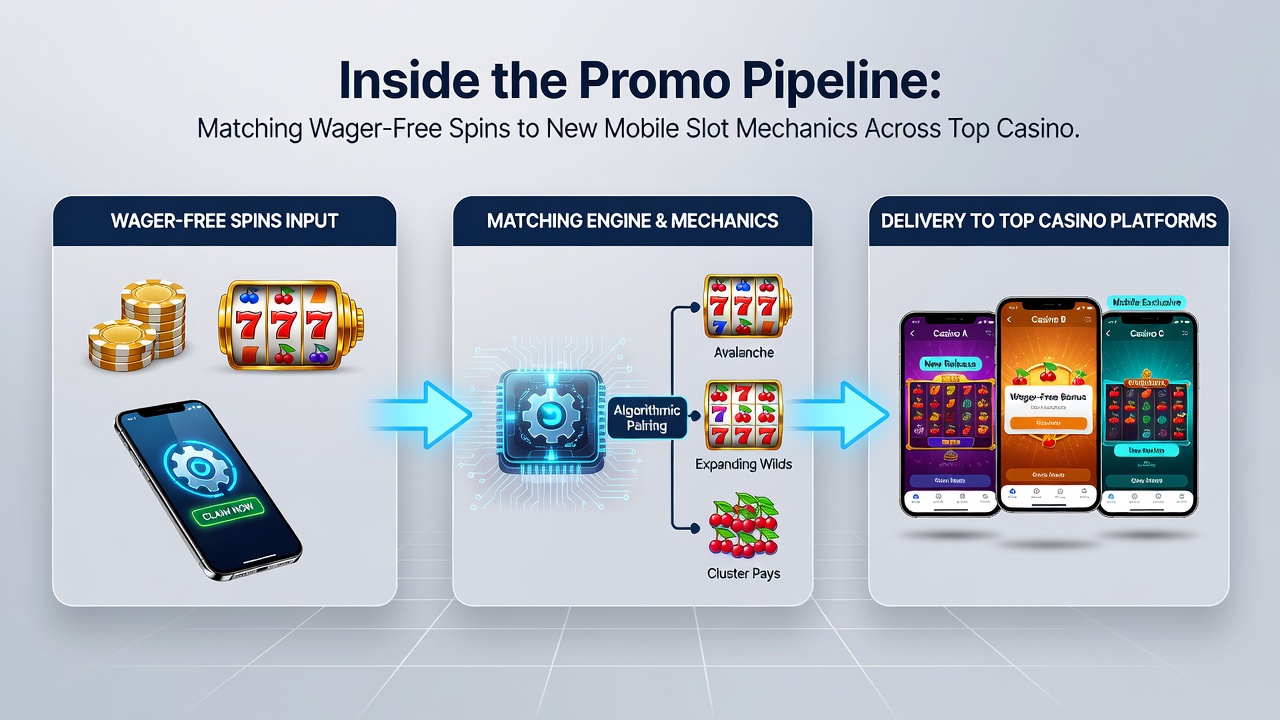
Leading operators employ backend tools that tag new slot mechanics with promotional attributes such as expected feature hit rate and average bonus round duration, which then feed directly into campaign management systems. This tagging process enables automated matching where a game with expanding wilds might receive larger spin allotments than a standard three-reel title because the mechanic sustains longer play sessions on mobile devices.
One study from the University of Nevada, Las Vegas gaming research group found that players who received mechanic-specific spin offers demonstrated longer average session times compared with generic bonus distributions, although the research emphasized correlation rather than causation. Operators have incorporated these insights by testing limited-time codes that unlock only on titles meeting predefined technical criteria.
Operator Examples and Implementation Patterns
Take one major platform that introduced a June 2026 campaign linking no-wager spins exclusively to games with multiplier trail mechanics; the campaign required players to trigger the feature at least once before additional spins became available. Another operator in the same period restricted spin eligibility to titles carrying certified RTP ranges above a set threshold, a move documented in quarterly compliance filings submitted to state authorities.
These implementations rely on API connections between game providers and casino management systems, allowing real-time updates when new mechanics launch. Industry associations such as the European Gaming and Betting Association have published guidelines that encourage transparent communication of these matching rules to players through in-app notifications.
Conclusion
Matching wager-free spins to new mobile slot mechanics continues to evolve through data-driven segmentation and regulatory compliance measures. Operators maintain these pipelines by updating tagging systems and testing feature-specific campaigns, with activity documented across multiple regions through mid-2026. The approach supports both promotional objectives and adherence to jurisdictional requirements without altering core game mathematics.