Portable Gaming Loyalty Programs: Structuring Access to Flash Incentives
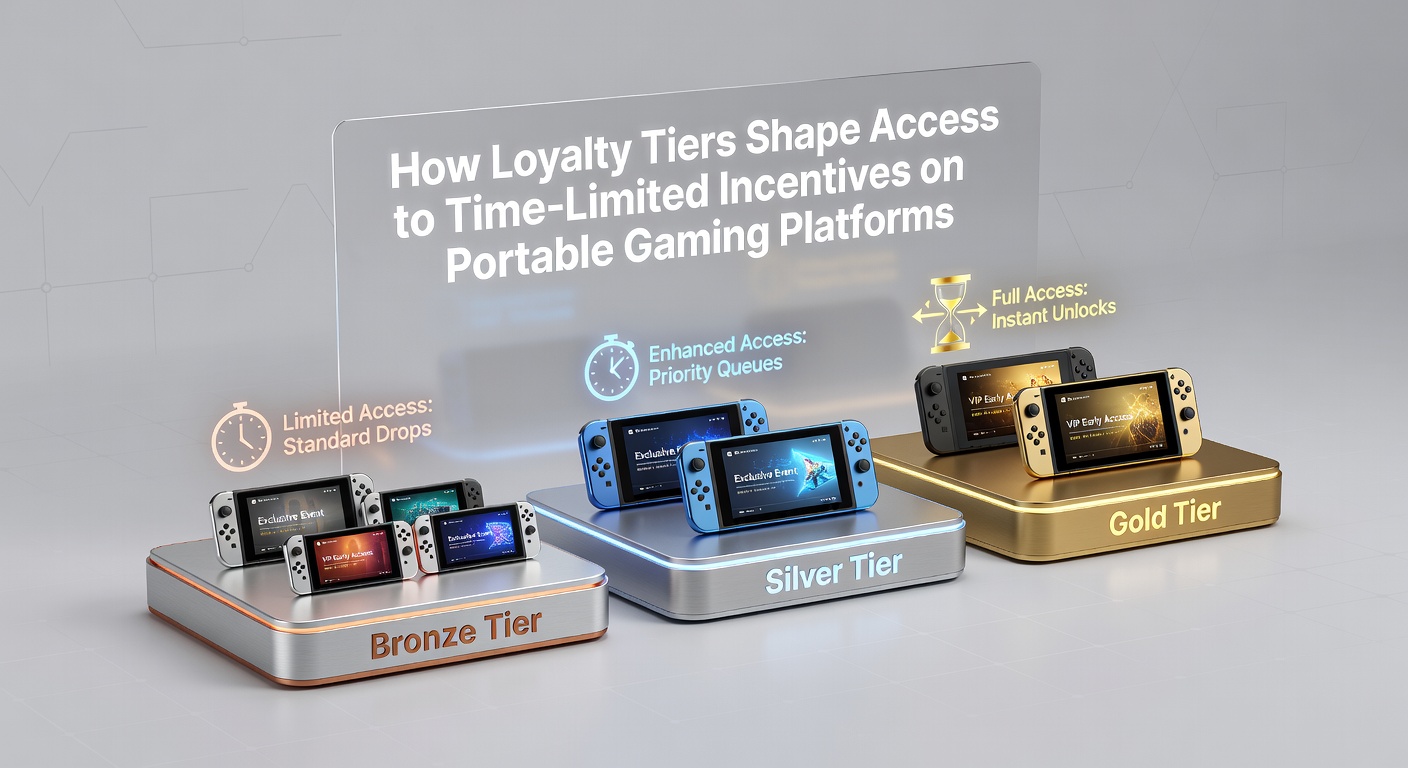
Portable gaming platforms organize player engagement through structured loyalty tiers that determine eligibility for time-sensitive promotions and exclusive content drops. These systems operate across major mobile app ecosystems where developers segment users based on activity metrics including session frequency, spending patterns, and retention streaks. Higher tiers unlock earlier entry windows for limited events while lower levels receive standard access or none at all.
Tier Mechanics in Mobile Ecosystems
Developers implement multi-level frameworks that progress users from entry points such as Bronze or Silver into Gold, Platinum, and Diamond categories. Progression depends on cumulative data tracked within each app, with thresholds reset periodically to maintain ongoing participation. Time-limited incentives appear as flash tournaments, discounted in-app purchases, or exclusive character releases that expire within hours or days. Access windows shrink for lower tiers, creating urgency that pushes players toward consistent activity to advance.
Research from the Interactive Games and Mobile Association indicates that tiered structures increase average session duration by channeling rewards through gated content. Platforms integrate these mechanics with push notifications that alert eligible users first, giving premium tiers priority before offers reach broader audiences.
Regional Regulatory Influences on Incentive Delivery
Government bodies across different jurisdictions shape how these systems function. The Australian Communications and Media Authority monitors loot box mechanics tied to loyalty rewards, requiring clear disclosure of probability rates in tiered events. In Canada, provincial regulators examine data privacy implications when platforms collect behavioral metrics to assign tier status. European frameworks emphasize consumer protection by mandating transparency around expiration timelines for time-limited offers distributed through loyalty programs.
One industry report from the Entertainment Software Association highlights that mobile platforms adjusted their incentive calendars in early 2026 to align with updated compliance requirements. By June 2026 several major developers introduced tier refresh cycles that coincide with seasonal events, ensuring higher-level users receive advance notice of upcoming flash sales while maintaining separation from general player pools.
Platform-Specific Implementation Patterns
Popular titles on iOS and Android employ distinct variations of these systems. Battle royale apps often reserve limited-edition skins and battle pass upgrades for Diamond tier accounts during 48-hour windows. Casual puzzle games distribute energy refills and level skips exclusively to Gold members during weekend events. Observers note that these distinctions appear most pronounced in free-to-play titles where monetization relies heavily on converting engaged users into higher spenders.
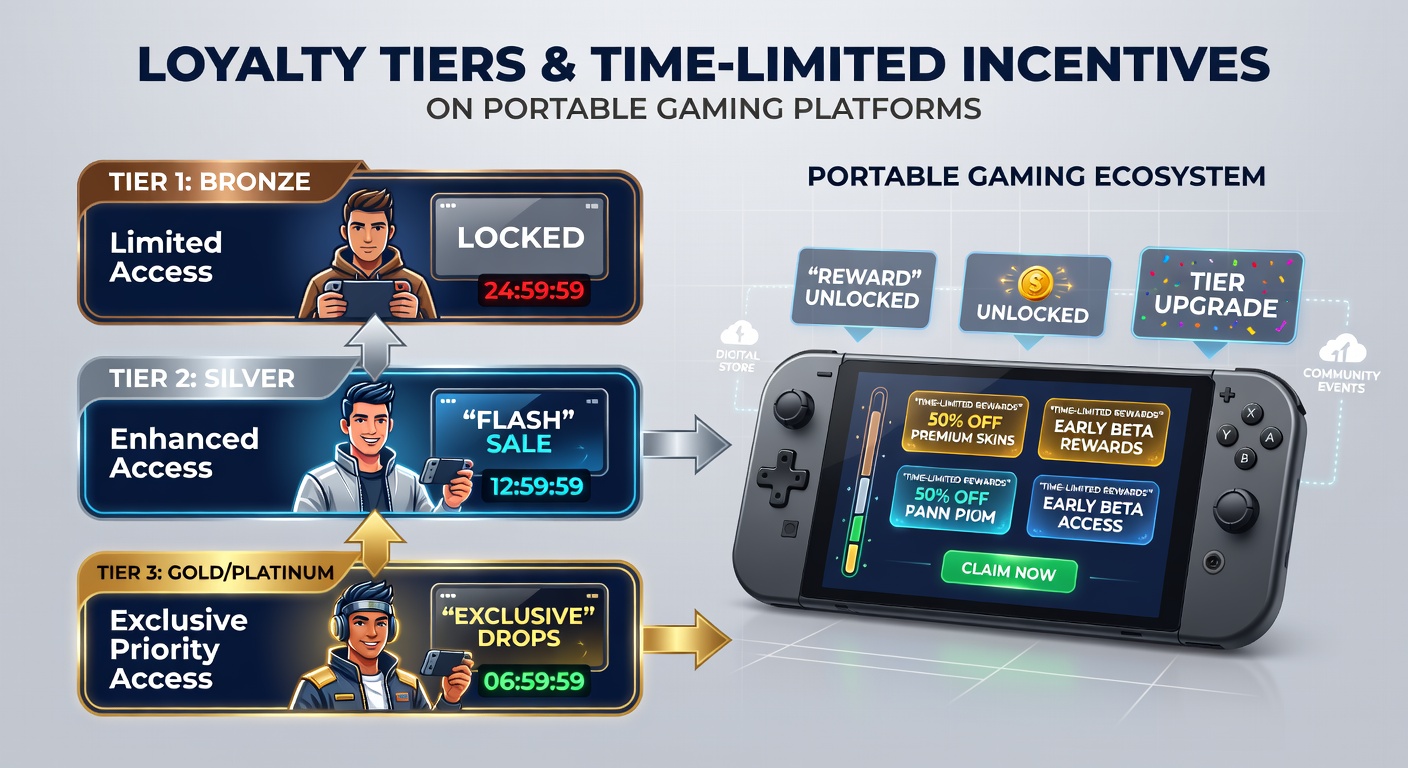
Data from a University of Melbourne study on digital entertainment consumption reveals that players in elevated tiers complete 40 percent more daily challenges during promotional periods compared with base-level accounts. The research attributes this gap to differential access rather than inherent motivation differences, since lower-tier users encounter locked features until they accumulate sufficient activity points.
Player Progression and Incentive Timing
Time-limited offers frequently align with global events such as holidays or game anniversaries. Platforms stagger release schedules so Platinum users gain entry 24 hours ahead of Silver accounts, creating visible status differentiation within community forums and social features. This sequencing encourages organic promotion as higher-tier players share early rewards, drawing additional engagement from peers seeking similar privileges.
Yet the structure also generates measurable retention effects. Figures released by the Japan External Trade Organization show mobile gaming applications with robust tier systems retain users 25 percent longer over six-month periods than those offering uniform access to all promotions. The disparity stems from the psychological pull of exclusivity combined with the practical advantage of priority notification systems.
Future Adjustments Expected in Mid-2026
Industry analysts anticipate further refinements as portable platforms respond to evolving hardware capabilities and cross-device synchronization demands. Developers have begun testing dynamic tier adjustments that factor in multi-platform play, allowing progression earned on tablets to transfer to smartphones without resetting incentive eligibility. Such changes could expand the reach of time-limited events while preserving tier-based gating mechanisms.
Conclusion
Loyalty tiers function as gatekeepers that calibrate when and how players encounter fleeting opportunities within portable gaming environments. These frameworks connect behavioral tracking directly to reward distribution, producing differentiated experiences across user segments. As platforms continue refining their approaches through regulatory compliance and technological integration, the relationship between tier status and access timing remains central to mobile gaming engagement strategies.