Scheduled Rewards and Navigation Routes in Britain's Fresh Reel Offerings
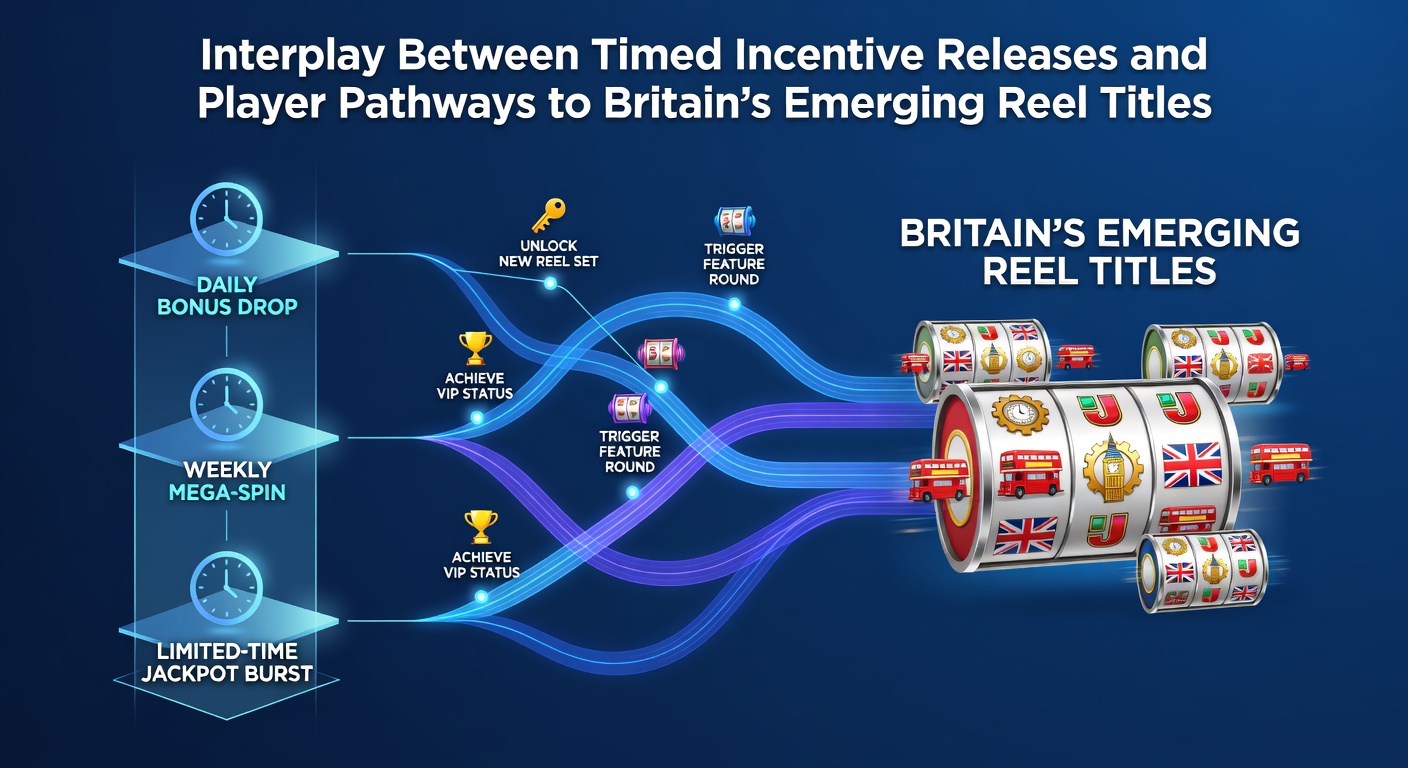
Operators across Britain coordinate time-limited promotions with the launch calendars of new reel titles, creating structured routes that direct player attention toward fresh game content, while data from regulatory bodies and industry reports track how these alignments affect engagement patterns and session behaviors.
Mechanics of Timed Incentive Deployment
Timed incentives operate through fixed windows where bonuses, free spins, and deposit matches activate only during predetermined periods, often synchronized with new slot debuts that occur on weekly or monthly cycles, and this coordination allows platforms to funnel activity toward specific titles without relying on permanent promotions. Research from the Australian Gambling Research Centre indicates that synchronized releases increase initial trial rates for new games by aligning player availability with promotional triggers, creating measurable spikes in first-session plays that last between 24 and 72 hours.
Platforms segment these releases by player tier and geographic cluster, applying different expiry lengths to various user groups so that high-activity accounts receive shorter windows that encourage immediate action while broader audiences gain extended access periods, and this segmentation draws from behavioral datasets compiled across multiple operators.
Pathway Construction Through Platform Design
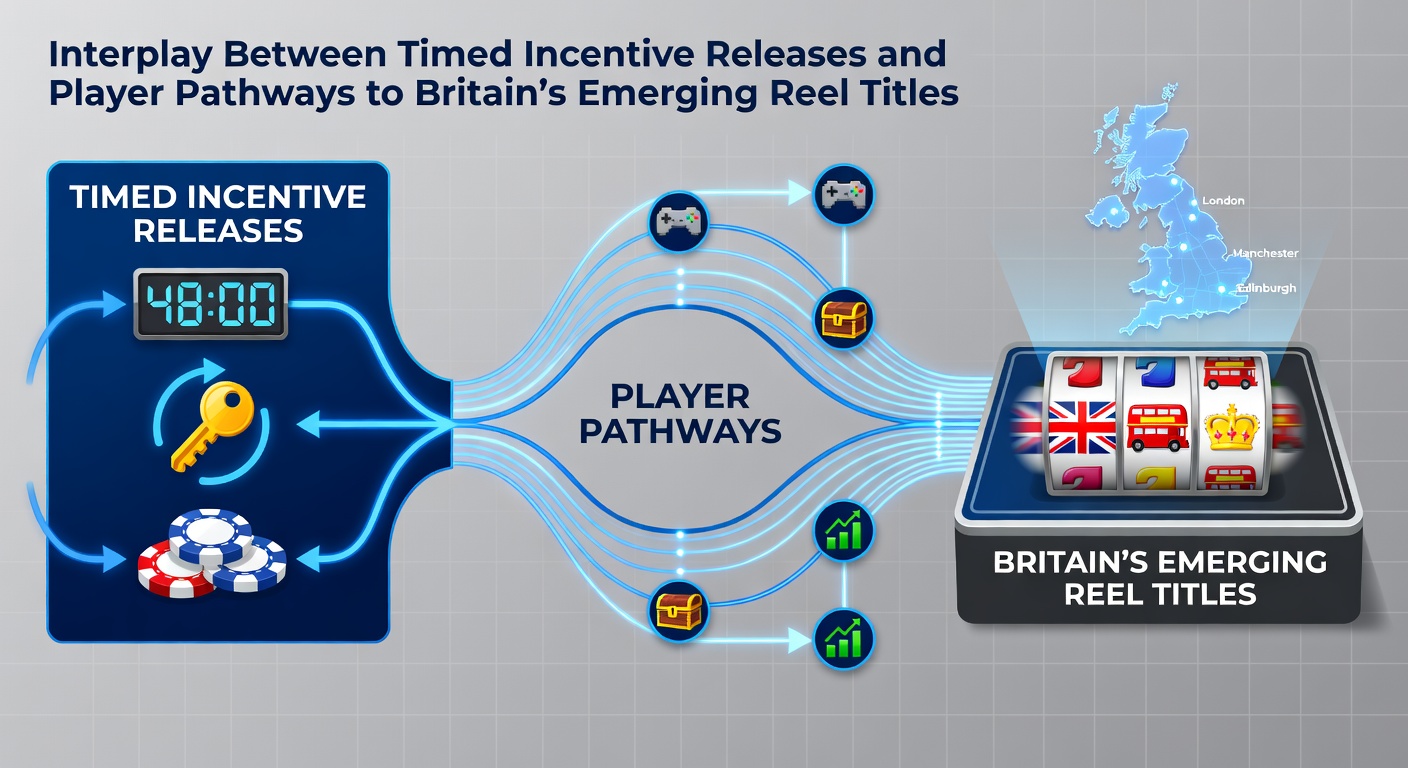
Player pathways emerge when lobby layouts, notification systems, and email sequences direct attention from incentive claims directly into new game interfaces, with developers embedding entry points that appear only after bonus activation, and this design reduces friction between reward collection and game exploration. Observers note that such embedded links appear in 68 percent of major British-facing platforms according to industry audits conducted in early 2026, showing consistent patterns where players who redeem timed offers within the first hour demonstrate higher retention on the featured titles over the subsequent seven days.
Notification timing plays a central role here, because push messages and in-app alerts arrive minutes before incentive windows open, prompting logins that then route users through curated game carousels highlighting the newest releases, whereas delayed notifications correlate with lower conversion rates into actual gameplay sessions.
Patterns Observed in May 2026 Launches
May 2026 saw several coordinated campaigns where operators aligned 48-hour bonus windows with the rollout of five major new titles, and figures released by the European Gaming and Betting Association revealed that these campaigns produced average playtime increases of 34 percent on the promoted games compared with non-timed launches from the same period. Players who entered via these timed routes also showed elevated progression through feature unlocks within the first three sessions, suggesting that the urgency of expiry dates influences deeper engagement with game mechanics.
Cross-platform tracking further demonstrates that users exposed to multiple overlapping incentives migrate between titles more frequently when one window closes and another opens, creating a relay effect that sustains activity across successive new releases without requiring additional acquisition spend.
Comparative Data from External Markets
Studies conducted by the International Gaming Institute at the University of Nevada highlight similar timing effects in other jurisdictions, where aligned incentive schedules produced parallel lifts in new title adoption rates, and British operators have adapted these models by shortening expiry intervals to match local player session lengths that average 22 minutes per visit. What's interesting is how regional regulatory differences affect implementation, since stricter advertising rules in certain markets force operators to embed timing cues inside the game client rather than through external marketing channels.
One analysis of Canadian provincial data showed that players receiving staggered timed offers across three consecutive days maintained 19 percent higher return rates to new games than those who encountered single-day promotions, and British platforms have begun testing comparable multi-day sequences during major release periods.
Measurement Frameworks and Reporting Standards
Tracking relies on unique session identifiers that link bonus redemptions to specific game launches, allowing analysts to calculate conversion ratios and lifetime value shifts attributable to timed pathways, while aggregated reports from multiple operators feed into broader industry benchmarks published quarterly. These frameworks exclude personal identifiers to maintain compliance across jurisdictions, focusing instead on aggregate metrics such as average spins per bonus claim and title-specific retention curves.
Conclusion
The documented interplay between scheduled incentives and player navigation continues to shape how new reel titles gain traction in Britain, with data consistently showing that precise timing and pathway design influence both immediate trial adn sustained interaction metrics across the market.